
为什么谚语能让英语作文瞬间“高级”
阅卷老师每天面对数百篇作文,**一句恰到好处的谚语**往往能在三秒内抓住注意力。它像一枚文化徽章,告诉读者“我不仅懂英语,还懂英语世界的智慧”。
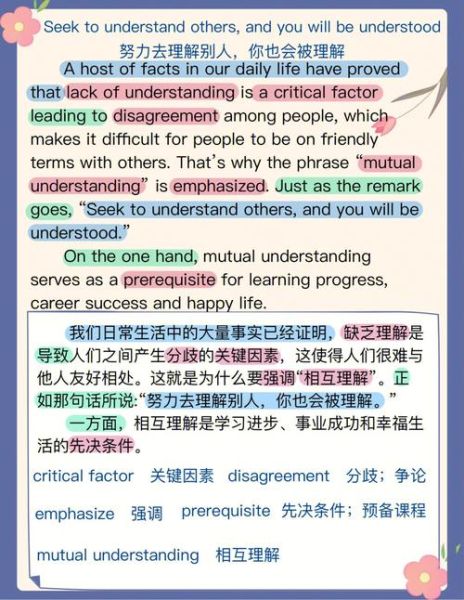
挑选谚语的三把尺子
1. 主题贴合度:别让谚语变成“跑题金句”
自问:这句谚语能否**直接映射**我的论点?
反例:写“网络利弊”却用“Every cloud has a silver lining”,虽然积极,但与主题弱相关。
正例:写“网络利弊”可用“**The fire is a good servant but a bad master**”,火即网络,主仆关系一目了然。
2. 难度梯度:生僻谚语=自毁分数
优先选择**剑桥雅思或托福范文**中出现过的表达,如:
- **Actions speak louder than words**
- **Rome wasn’t built in a day**
这些句子**认知负荷低**,老师无需停顿即可理解。
3. 文化兼容性:避免宗教或地域梗
“God helps those who help themselves”在部分语境可能引发争议,可替换为中性表达:
- **Self-help is the best help**
嵌入谚语的四种“无痕”技巧
技巧一:论点前“抛砖引玉”
例:
**“As the saying goes, ‘A stitch in time saves nine.’”** This ancient wisdom reminds us that early intervention in environmental protection can prevent catastrophic costs later.
技巧二:论据后“画龙点睛”
例:
After analyzing the data on student burnout, we realize that **“all work and no play makes Jack a dull boy”** is not just a cliché but a psychological fact.
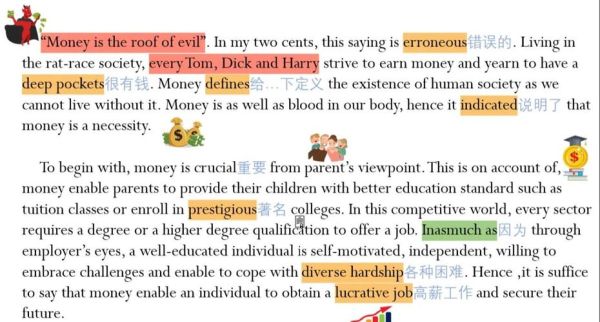
技巧三:对比论证“双谚语”
例:
While **“haste makes waste”** warns against rushing, **“he who hesitates is lost”** highlights the danger of overthinking. The key lies in balancing speed and reflection.
技巧四:结尾“回声式”
例:
In conclusion, the journey of innovation proves that **“necessity is the mother of invention”**—and unless we embrace today’s challenges, tomorrow’s breakthroughs will remain stillborn.
常见误区与急救方案
误区一:堆砌谚语
错误示范:首段连用三句谚语,显得刻意。
急救:每篇作文**不超过两句**,且分布在不同段落。
误区二:篡改原句
错误示范:将“Look before you leap”改为“Look before you jump”。
急救:不确定时,**直接引用原文**,宁可保守勿出错。
误区三:中文直译
错误示范:“People mountain people sea”
急救:使用**权威词典**(如牛津)验证,或改用英语世界已有表达。
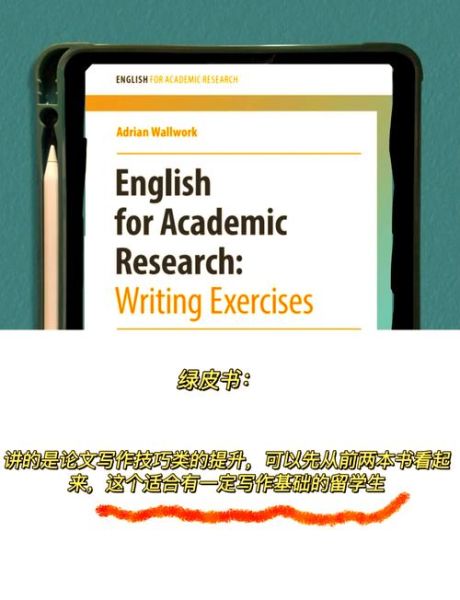
实战演练:同一主题三种写法
主题:坚持与成功
写法A:谚语开头
**“Rome wasn’t built in a day.”** This proverb encapsulates why Musk’s reusable rockets succeeded only after a decade of explosions.
写法B:谚语结尾
From Kobe’s 4 a.m. workouts to J.K. Rowling’s twelve rejections, their stories converge on one truth: **“genius is one percent inspiration and ninety-nine percent perspiration.”**
写法C:谚语对比
Some quote **“slow and steady wins the race”** to praise consistency, yet in Silicon Valley, **“move fast and break things”** dominates. The paradox reveals that context, not proverbs, determines success.
---如何积累“高含金量”谚语库
1. **精读外刊**:在《经济学人》社论中划线标记谚语,如“**What goes around comes around**”用于环保议题。
2. **建立主题卡片**:按“教育/科技/环保”分类,每张卡片记录谚语+例句。
3. **反向搜索**:用谷歌查询“proverb + 关键词 site:ted.com”,获取演讲中的真实用法。
考官视角:他们到底在找什么
剑桥官方评分标准中,“idiomatic language”仅占Lexical Resource的25%,但**恰当谚语**能同时提升Coherence(衔接)和Task Response(论证深度)。一位前雅思考官透露:当考生用“**Don’t put all your eggs in one basket**”批判单一能源政策时,他直接给了7分词汇。
---终极清单:考前24小时可速记的10句万能谚语
- **The early bird catches the worm**(勤奋)
- **Too many cooks spoil the broth**(团队合作边界)
- **Where there’s a will, there’s a way**(决心)
- **You can’t have your cake and eat it**(权衡)
- **Every coin has two sides**(辩证)
- **Prevention is better than cure**(预防)
- **Knowledge is power**(教育)
- **When in Rome, do as the Romans do**(文化适应)
- **The grass is always greener on the other side**(比较心理)
- **Better late than never**(补救行动)
把这些句子**手写三遍**,肌肉记忆会在考场救急。


还木有评论哦,快来抢沙发吧~