
They are losing forests, facing climate shifts, and struggling with tiny gene pools.
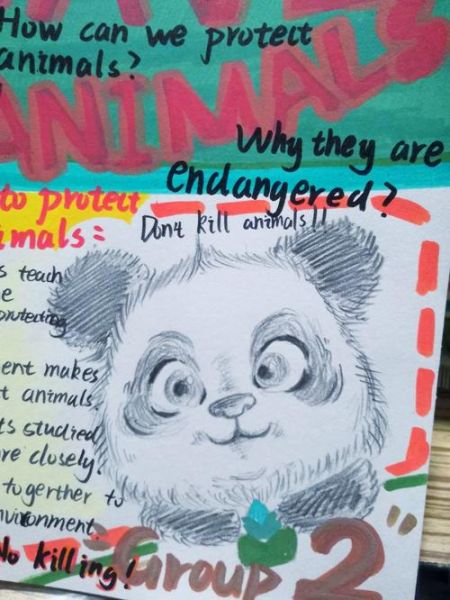
What exactly pushes the giant panda toward extinction?
Many students ask, “Is it only bamboo shortage?” The truth is layered. Habitat fragmentation slices once-continuous mountain ranges into isolated patches. A single highway can cut a population in half, leaving groups too small to breed safely. Climate change is shifting bamboo belts uphill by roughly meters every decade; pandas move slowly and cannot always follow. Add low birth rates—a fertile female is receptive for just two days a year—and the risk compounds.
How do scientists count pandas in the wild?
Instead of trying to spot every black-and-white bear, researchers rely on DNA extracted from droppings. Each pile is tagged with GPS, sent to labs, and matched like fingerprints. The latest census found 1,864 individuals, yet the margin of error is still ± because dense fog and steep cliffs hide many valleys. Knowing the real number guides where rangers patrol and where corridors should rise.
Which conservation projects have worked so far?
- Wolong National Nature Reserve doubled its forest cover between 2003 and 2020 by paying locals to plant native trees instead of logging.
- The Sichuan Giant Panda Sanctuaries link 67 separate reserves through bamboo-lined tunnels beneath roads, letting bears roam for mates.
- Captive breeding breakthroughs at Chengdu Base lifted birth survival from 30 % in the 1990s to over 90 % today by swapping twins weekly so mothers raise one while vets feed the other.
Can ordinary people help without flying to China?
Yes. Choose FSC-certified bamboo products—toothbrushes, flooring, even socks—to curb illegal harvesting. Offset travel emissions through Gold Standard schemes that fund reforestation on panda slopes. Donate camera traps; $200 buys one unit that records poachers and rare cubs alike. Finally, share verified news, not click-bait headlines that claim pandas are already “saved” and lull donors away.
What hurdles remain despite decades of effort?
Genetic bottleneck looms large. All living pandas descend from a few survivors of the last ice age, so inbreeding can surface hidden diseases. Human-wildlife conflict flares when hungry bears descend into cornfields; one raid can wipe out a farmer’s yearly income. Funding fatigue is real—after forty years of campaigns, some governments assume the problem is solved and shift budgets elsewhere.
How will future tech reshape panda protection?
Drones now scatter bamboo seeds in pellets of nutrient gel across landslides too dangerous for planters. AI listens to gunshots and chainsaws through acoustic sensors, sending instant alerts to rangers’ phones. Gene editing—still experimental—might one day boost disease resistance, yet ethicists debate whether altering an icon is worth the risk.

Is ecotourism a blessing or a curse?
Handled well, it funds guards and schools. Dujiangyan Panda Valley caps daily visitors at 2,000, routes them on elevated boardwalks, and channels ticket money into habitat leases. Mishandled, it stresses animals: selfies with cubs, noisy buses, and littered trails. The key is strict quotas and transparent audits, letting tourists become allies instead of intruders.
What can schools teach that textbooks skip?
Run a bamboo growth experiment in class—track height under different CO₂ levels to mimic future climates. Invite a virtual ranger talk via video link; hearing boots crunch on frosty leaves makes the cause real. Assign debates: “Should we relocate pandas to other mountain ranges?” Students research, argue, and often end up fundraising for corridor maps.
How long before pandas are truly safe?
Conservationists speak of three generations, roughly 60 years, to reach a self-sustaining wild population of 3,000. That milestone demands continuous forest expansion, climate corridors stretching northward, and global carbon cuts to keep bamboo zones within reach. Every action—skipping single-use plastics, voting for green policies, or simply sharing accurate data—shortens the timeline.






还木有评论哦,快来抢沙发吧~