
想要写出一篇让老师眼前一亮的“保持健康”英语作文,却苦于思路枯竭?下面用问答式拆解,从结构到词汇,手把手教你完成一篇高分文章。
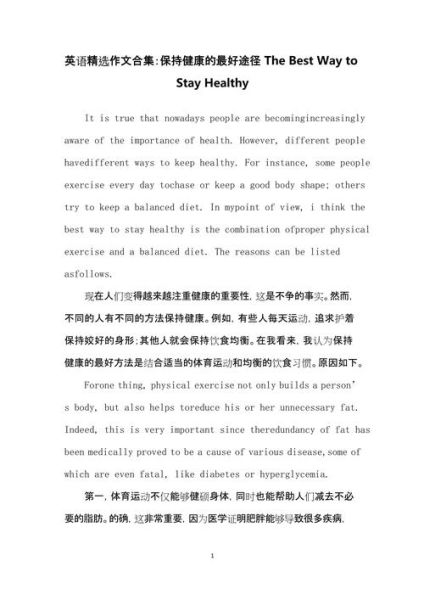
1. 为什么“保持健康”作文常考?
考试命题人关注两大维度:一是**个人成长**,二是**社会责任**。健康话题恰好把两者串在一起——**个人习惯影响社会医疗负担**,所以年年出现并不奇怪。
2. 文章框架怎么搭?
2.1 经典三段式
- Introduction:用一句惊人数据或反问句开场,例如 “Did you know that 70% of teenagers skip breakfast daily?”
- Body:分点论述,每点一个小标题,逻辑递进。
- Conclusion:不再重复细节,而是**升华主题**,提出号召。
2.2 五段拓展式(冲击高分)
- Hook
- 现状描述
- 原因分析
- 对策建议
- 未来展望
3. 高分词汇与短语储备
避免通篇 “good, bad, important”。替换成:
- maintain physical well-being
- adopt a balanced diet
- combat a sedentary lifestyle
- boost mental resilience
4. 段落示范:如何写“均衡饮食”
示范段落:
To begin with, a balanced diet serves as the cornerstone of health. Instead of reaching for sugar-laden snacks, teenagers should embrace whole grains, lean proteins and a rainbow of vegetables. Such choices not only **stabilize blood sugar levels** but also **sharpen concentration during afternoon classes**.
5. 如何自然插入谚语或名言?
错误示范:直接甩一句 “An apple a day keeps the doctor away” 然后戛然而止。
正确做法:把谚语揉进论证。
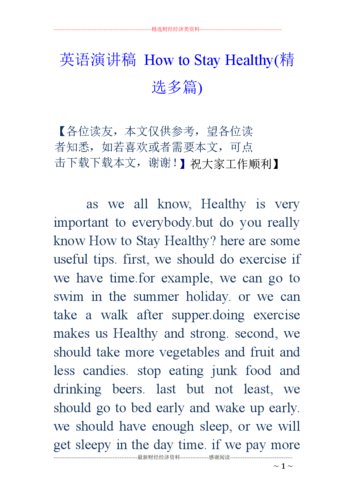
As the old saying goes, “An apple a day keeps the doctor away.” This proverb is not mere folklore; modern nutrition science confirms that the pectin in apples **lowers LDL cholesterol**, illustrating how traditional wisdom aligns with contemporary evidence.
6. 常见逻辑漏洞与修补
| 漏洞 | 修补句式 |
|---|---|
| 以偏概全 | While genetics do play a role, modifiable factors such as diet and exercise account for the larger share. |
| 因果倒置 | It is not stress that causes poor sleep; rather, sleep deprivation lowers stress tolerance. |
7. 如何让结尾更有力?
避免 “In conclusion, health is very important.” 试试:
If each of us commits to walking an extra thousand steps tomorrow, the ripple effect could ease the burden on public hospitals within a decade. The journey to a healthier nation begins with **a single, deliberate step today**.
8. 自检清单:交卷前一分钟
- 是否出现**连续三句简单句**?合并或升级。
- 是否**重复使用同一个形容词**?用同义替换。
- 是否**段落长度失衡**?调整至每段四到六句。
9. 完整范文(约字)
Title: How to Stay Healthy in a Fast-Paced World
In an era when fast-food chains outnumber libraries, the question “How can we stay healthy?” has never been more urgent. Recent surveys reveal that one in four adolescents is overweight, a figure that should set alarm bells ringing from classrooms to cabinet meetings.
First and foremost, **dietary choices dictate our energy levels**. Swapping soda for water may sound trivial, yet it slashes daily sugar intake by roughly forty grams, equivalent to ten teaspoons. Over a school year, this single substitution prevents the accumulation of approximately five kilograms of empty calories.
Secondly, **physical activity must be woven into daily routines**, not squeezed in as an afterthought. A brisk twenty-minute cycle to school elevates heart rate into the fat-burning zone and doubles as an eco-friendly commute. Moreover, exercise triggers the release of endorphins, chemicals that **combat anxiety more effectively** than scrolling through social media ever could.
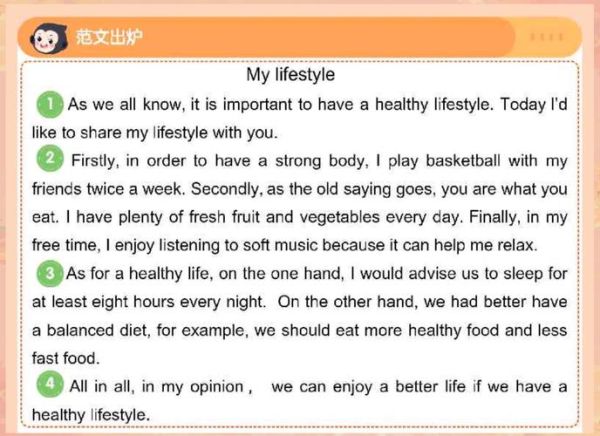
Thirdly, **mental health deserves equal billing**. Teenagers who practice five minutes of mindfulness meditation report a thirty percent drop in perceived stress levels. The mechanism is simple: focused breathing **lowers cortisol**, the hormone responsible for that jittery pre-exam feeling.
Critics might argue that genetic predisposition outweighs lifestyle. While DNA does load the gun, **lifestyle pulls the trigger**. Studies on identical twins show that when one twin exercises regularly and the other does not, the active twin enjoys a fifty percent lower risk of developing type-two diabetes, proving that environment can **override hereditary odds**.
What can schools do? Administrators could replace vending-machine chips with mixed nuts and install standing desks in classrooms. Small nudges, consistently applied, **reshape collective habits**.
Looking ahead, the path is clear. If today’s students prioritize nutrient-dense meals, daily movement and mindful pauses, they will not only ace their exams but also **inherit a healthcare system that is sustainable rather than suffocating**. The choice, quite literally, is in their hands—and on their plates.






还木有评论哦,快来抢沙发吧~