
先给出答案:用“场景-感受-反思”三步法,把真实经历转化为地道英语,再按“开头钩子-细节描写-文化对比-个人成长”四段式铺陈,就能写出高分旅行英语作文。
为什么大多数同学写旅行作文总像流水账?
问题出在“只写行程,不写情绪”。把Google地图式的路线罗列成英文段落,读者看不到温度,也学不到语言。真正打动考官的,是你在罗马小巷迷路时的慌张,以及在冰岛极光下突然想家的瞬间。
三步法:把真实经历变成可模仿的英文素材
Step 1 场景还原——用“五感笔记”代替简单句
不要写“I went to Kyoto.” 而是写:
The air in Gion smelled of roasted soybean powder, and every wooden storefront clicked with the soft clap of geta sandals.
把气味、声音、触感写进去,句子立刻立体。
Step 2 感受提炼——用情绪动词替换“happy/sad”
- awe-struck(震撼到失语)
- giddy(兴奋得发晕)
- melancholy(带甜的忧伤)
例句:I stood beneath the Milky Way in Atacama, giddy yet oddly humbled, as if the universe had leaned in to whisper a secret.
Step 3 文化反思——追问“为什么”
自问:为什么越南人早餐要喝冰咖啡?
自答:因为热带清晨的闷热需要咖啡因+冰块的双重唤醒,这背后是对慢节奏的坚持。
把这一层思考写进作文,就能从“游客视角”升级为“文化观察者”。
四段式结构:让考官一眼看到逻辑
Paragraph 1 钩子开头——悬念或冲突
“I missed the last ferry to Capri by thirty seconds.”
一句话抛出困境,读者立刻想知道后续。
Paragraph 2 细节描写——五感+对话
加入当地人的一句话:
“Sei fortunato,” the ticket officer shrugged, “the night ferry is cheaper and the stars are better.”
对话比形容词更有画面感。
Paragraph 3 文化对比——把陌生变熟悉
把意大利“慢”与中国“快”对比:
Back home, a thirty-second delay would spark a storm of honks; here, it was a passport to moonlit waves.
Paragraph 4 个人成长——提炼一句金句
Travel, I learned, is not about covering distances but about letting distances uncover you.
高频词汇升级表:别再重复“beautiful”
| 初级词 | 地道替换 | 例句 |
|---|---|---|
| beautiful | breathtaking | The sunrise over Bagan was breathtaking. |
| crowded | bustling | The bazaar was bustling with hagglers and henna artists. |
| tired | weary-footed | Weary-footed, I found refuge in a cedar-scented ryokan. |
常见语法陷阱:90%同学会踩的坑
陷阱1 时态混乱
错误:I see the Northern Lights and I was crying.
正确:I saw the Northern Lights and burst into tears.(统一过去时)
陷阱2 中式直译
错误:The mountain is very high, I climb very tired.
正确:The mountain rose so steeply that every step felt like a negotiation with gravity.
实战演练:把三步法套进150词小短文
Prompt: Describe a moment when travel changed your perspective.
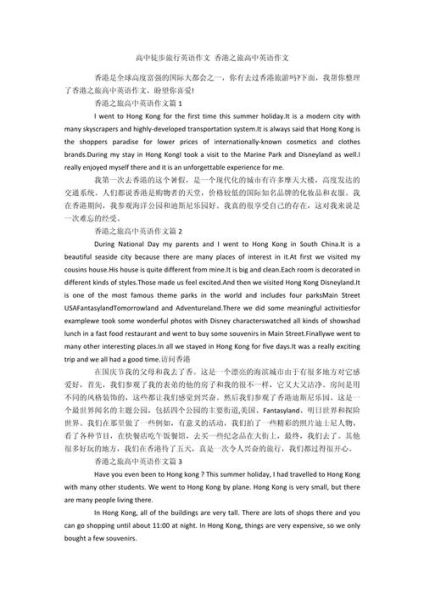
I used to measure days in subway stops until I reached Chefchaouen. There, time dripped like honey. An elderly painter dipped his brush into cobalt and said, “Blue keeps the sadness out.” I laughed, thinking it was folklore. Yet after three days of wandering beneath indigo arches, my city-hurry dissolved. I began counting clouds instead of deadlines. When I boarded the bus back to Tangier, the engine roared but my pulse stayed slow. Travel had not given me answers; it had softened the questions.
如何自查:30秒快速评分表
- 钩子:第一句是否让人想读第二句?
- 感官:至少出现两种以上五感描写。
- 文化:有没有一句“原来如此”的顿悟?
- 语言:形容词是否重复?动词是否生动?
- 金句:最后一句能否独立当朋友圈文案?
进阶建议:让作文变成口语素材
把作文中的金句剪成15秒短视频脚本,例如:
“Blue keeps the sadness out.” 配上摩洛哥蓝城镜头,既练口语又做自媒体。
写作与口语从来不是孤岛,一篇好作文就是一段可复制的演讲稿。

还木有评论哦,快来抢沙发吧~