
Autumn is the season that most English learners choose to write about, yet many essays sound alike. How can you make your description vivid without falling into clichés? Below, I break down practical techniques, fresh vocabulary, and structural models that help any student craft an 800-word English composition about autumn that feels both personal and original.
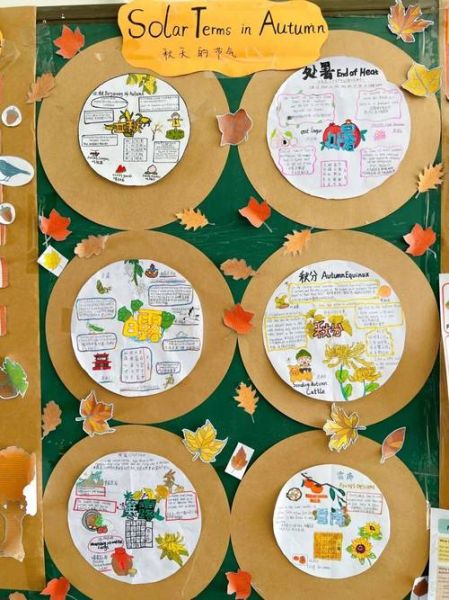
Why Autumn Wins the Popularity Contest
Ask ten classmates about their favorite season and at least half will say “autumn.” Why?
- Visual richness: The palette shifts from green to amber, scarlet, and gold—perfect for sensory writing.
- Emotional range: It blends nostalgia with anticipation, allowing writers to explore both endings and beginnings.
- Cultural hooks: Harvest festivals, Halloween, and Thanksgiving supply ready-made scenes and symbols.
These three angles give you endless angles to explore without sounding generic.
---Core Question: How Do I Avoid Overused Phrases Like “crisp air” and “golden leaves”?
Instead of banning common words, upgrade them. Replace “crisp air” with “air that snaps like a fresh apple bite.” Swap “golden leaves” for “leaves the color of burnt honey dripping from the sky.” The trick is to add a second sensory layer—sound, taste, or touch—to the visual cue.
---Structuring Your 800-Word Essay
Opening Hook: Start with Motion, Not Color
Most essays open with static imagery. Try motion:
A sudden gust skates across the soccer field, lifting a swirl of leaves that pirouette like shy ballerinas before settling on the goal line.
This single sentence already contains movement, sound, and metaphor, pulling the reader in before any color is named.

Body Paragraph One: Map the Daylight
Describe how the quality of light changes hour by hour.
- 7 a.m. A pale lemon sun spills over the rooftops, stretching shadows into long charcoal sketches.
- Noon The light turns buttery, softening edges so even the rusty bike rack looks nostalgic.
- 5 p.m. The sky bruises into plum; streetlamps flicker on like cautious fireflies.
By tracking light instead of listing colors, you create a time-lapse effect that feels cinematic.
Body Paragraph Two: Layer the Senses
Move beyond sight. Ask yourself:
What does autumn taste like at school?
Answer: The first sip of hot apple cider from the corner café, cinnamon stinging the tongue just enough to erase the memory of summer’s iced tea.
What does it sound like on the bus ride home?
Answer: The soft thud of backpacks landing on seats mixes with the muted crunch of leaves stuck to rubber soles.
What does it feel like during evening study?
Answer: A wool sweater’s itch against the wrist competes with the warmth rising from a mug of cocoa, creating a tug-of-war between comfort and irritation.
Body Paragraph Three: Weave in Personal Ritual
Rituals anchor abstract feelings to concrete actions. Describe one small routine:
Every Saturday I bike to the old train tracks behind the supermarket. I collect exactly three heart-shaped leaves, press them between the pages of whatever novel I’m pretending to read, and mail them to my grandmother who taught me the names of trees before I could spell my own.
This paragraph does triple duty: setting, character development, and emotional resonance.
Body Paragraph Four: Introduce Contrast
Autumn’s beauty is sharper because it is fleeting. Insert a moment of impermanence:
By the time I cycle home, dusk has erased the scarlet maples, leaving only black silhouettes clawing at a lavender sky. The leaves I collected this morning already curl like old photographs.
Contrast heightens appreciation and prevents the essay from becoming a mere catalog of pretty sights.
---Advanced Vocabulary Bank
Instead of “beautiful,” try:
- resplendent
- luminous
- translucent
For “wind,” consider:
- zephyr
- gust
- eddy
For “smell,” experiment with:
- woodsmoke
- mulch
- toasted nutmeg
Self-Check: Does My Essay Pass the “Blindfold Test”?
Read your draft aloud to a friend who keeps their eyes closed. If they can picture the scene without seeing the words, you’ve succeeded. If they ask, “What color was that again?” you need more sensory detail.
---Sample Mini-Paragraph to Model
The school bell rings at 3:15, but no one rushes inside. Instead, we tilt our faces skyward, letting the last warm rays solder freckles to our cheeks. Somewhere above us, a lone goose honks—a rusty hinge in the vast blue door of October.
Notice the metaphor, onomatopoeia, and tactile detail packed into three sentences.
---Quick Revision Checklist
- Have I used at least three senses beyond sight?
- Does every paragraph contain a time marker (morning, dusk, midnight)?
- Have I replaced at least five generic adjectives with specific imagery?
- Is there a moment of personal action that no other student could copy?
By following these steps, your autumn essay will stand out in any English class. The season offers more than pretty colors; it offers shifting light, layered sounds, and fleeting rituals waiting to be captured in words.






还木有评论哦,快来抢沙发吧~