
Yes, you can craft a vivid English essay about childhood memories by combining sensory details, chronological structure, and reflective insight.
What Makes a Childhood Memory Essay Stand Out?
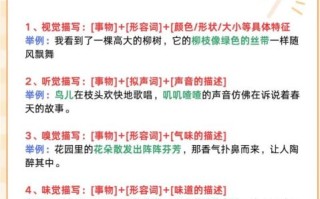
Readers keep turning pages when they feel the sticky summer popsicle on their tongue or hear the creak of grandma’s rocking chair. **Authentic sensory triggers** are the secret sauce.
- Smell: The faint scent of mothballs in an attic instantly places the reader beside you.
- Sound: A distant ice-cream truck jingle can resurrect an entire afternoon.
- Touch: The prickly texture of freshly cut grass under bare feet anchors the scene.
How Do I Choose the Right Memory?
Ask yourself three quick questions:
- Which moment still makes me smile or tear up?
- Does it contain a small conflict or turning point?
- Can I recall at least three sensory details?
If the answer to all three is yes, you have a keeper. **My own keeper** was the day I lost—and found—my grandfather’s pocket watch in a cornfield maze.
Structuring the Essay: From Hook to Reflection
1. The Hook
Start in the middle of the action. “The corn stalks towered above my eight-year-old self like green skyscrapers, and the ticking had stopped.” The reader immediately wonders: What ticking? Why did it stop?
2. Rising Tension
Describe the frantic search. Use short sentences to mimic heartbeat: I pushed leaves aside. No ticking. I spun in circles. Silence.
3. Climax
Reveal the watch beneath a bent stalk, its glass cracked but hands still moving. **This is the emotional pivot**—relief mixed with guilt.
4. Reflection
Zoom out. Explain how that cracked glass taught you that precious things survive, but never unscathed. **One sentence of insight** is enough: I slipped the watch into my pocket, understanding that love, like time, keeps ticking even when broken.
Language Tricks to Keep It Natural
- Dialogue: “Grandpa will never trust me again,” I whispered.
- Contrast: The golden afternoon light clashed with my dark thoughts.
- Metaphor: The corn maze was a green ocean, and I was a tiny boat without a compass.
Common Pitfalls and How to Dodge Them
| Pitfall | Quick Fix |
|---|---|
| Overloading adjectives | Pick one strong descriptor: “scorching” instead of “very, very hot.” |
| Telling instead of showing | Replace “I was scared” with “My knees knocked like drumsticks.” |
| Chronological chaos | Use transition words: first, then, suddenly, finally. |
Sample Paragraph to Spark Ideas
The air tasted of salt and sunscreen as we sprinted across the pier, flip-flops slapping wood. My cousin Jake dared me to jump first. I hesitated, staring at the navy abyss below. A seagull screamed overhead, as if warning me. I leaped anyway. The shock of cold water swallowed me whole, and for three heartbeats I forgot the world above. When I surfaced, Jake was already laughing, his hair plastered to his forehead like seaweed. That plunge became my private yardstick for courage ever since.
Editing Checklist Before Submission
- Read aloud—does it sound like you?
- Highlight every “very” and delete half.
- Ensure each paragraph contains at least one sensory detail.
- Check verb tense consistency; childhood essays usually use past tense.
- Ask a friend: “Could you picture the scene?” If not, add one more concrete detail.
Turning One Memory into Multiple Essays
The same cornfield watch can morph into:
- A lesson on responsibility (losing the watch).
- A tribute to craftsmanship (the watch’s intricate gears).
- A meditation on time and mortality (grandfather’s passing years later).
Simply shift the reflective lens and **emphasize different details**.
Quick Prompts to Unearth Buried Memories
Stuck? Try these:
- First time you felt truly alone.
- A smell that catapults you back to kindergarten.
- An object you still keep in a shoebox under your bed.
Close your eyes for thirty seconds, then write nonstop for five minutes. **Raw, unfiltered lines** often contain the golden nugget.
Final Touch: Title Crafting
Once the essay is polished, craft a title that hints at both memory and emotion. Examples:
- “Corn Silk & Ticking Brass”
- “The Day the Ocean Taught Me to Fall”
- “Mothballs, Lemonade, and the Color of Safe”
Keep it under eight words, and **let curiosity do the rest**.
还木有评论哦,快来抢沙发吧~